
Bella’s Medical Career
Poor ThingsThis flow traces Bella Baxter’s transformation from an animal-clinic assistant into a qualified doctor and founder of a charitable clinic.
increasing Bearing strength in each event
 decreasing
Bearing strength in each eventdecreasingVeterinary Practice
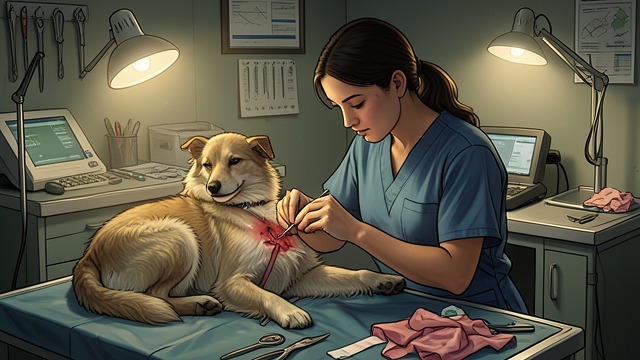
Veterinary Practice
Learning by doing
Baxter establishes a small animal clinic and teaches Bella to receive cases and stitch wounds. She proves quick, careful, and capable of practical work.
Women’s skill made visible
The clinic challenges the assumption that women should be excluded from intricate medicine. Bella’s competence develops through responsibility rather than abstract instruction alone.
Choosing Medical Study

Choosing Medical Study
Work as an answer
Bella wants to help women, mothers, girls, and prostitutes. Baxter advises that sympathy needs training and asks whether she will endure difficult study and practice.
A self-authored aim
She chooses medicine rather than accepting charity as a substitute for agency. The decision links her intellectual development to a profession through which she hopes to reduce suffering.
Nursing Before Authority
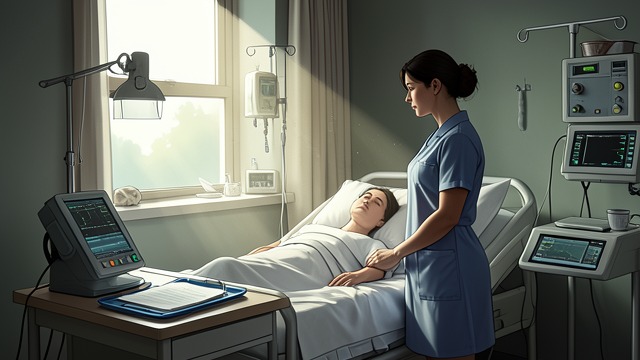
Nursing Before Authority
Training from the bedside
Baxter recommends that Bella begin as a trainee nurse and learn the discipline and practical demands of hospital work. He argues that doctors should understand the labour they oversee.
Knowledge through service
The route is deliberately demanding, but it grounds later clinical authority in experience. Bella’s career develops by moving through work often treated as inferior or invisible.
A Clinic for Women
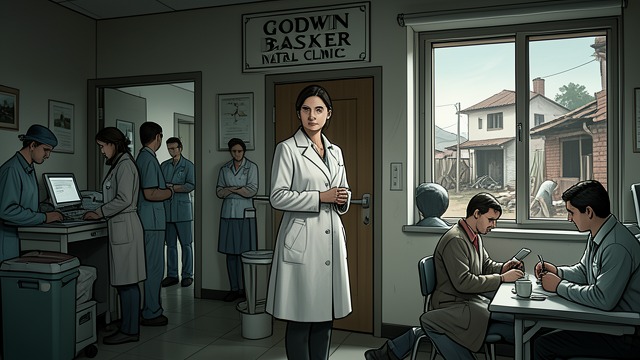
A Clinic for Women
Practice made public
Bella, now using the name Victoria McCandless, establishes the Godwin Baxter Natal Clinic in a poor part of Glasgow. It offers care while training women from the surrounding community.
A different model of medicine
She treats health as inseparable from housing, work, childbirth, and patient understanding. Her clinic embodies the preventive and collaborative principles that Baxter and Bella had discussed.
Reform Beyond the Clinic

Reform Beyond the Clinic
Public argument
Victoria McCandless publishes on public health, birth control, women’s suffrage, and the organization of medical care. She argues that patients should understand their bodies and participate in decisions.
Resistance and endurance
Professional and political institutions criticize her methods and independence. Her career remains a sustained effort to turn clinical knowledge into social reform, not simply individual treatment.
After Bella returns from her world tour
After the Alexandria crisis, in late 1883
After the return to Glasgow, before medical qualification
From 1890, in Glasgow
From the 1890s through the early twentieth century
